Billing & Trip Rules
Zipcar Mileage Limits, Daily Allowances & Overage Fees
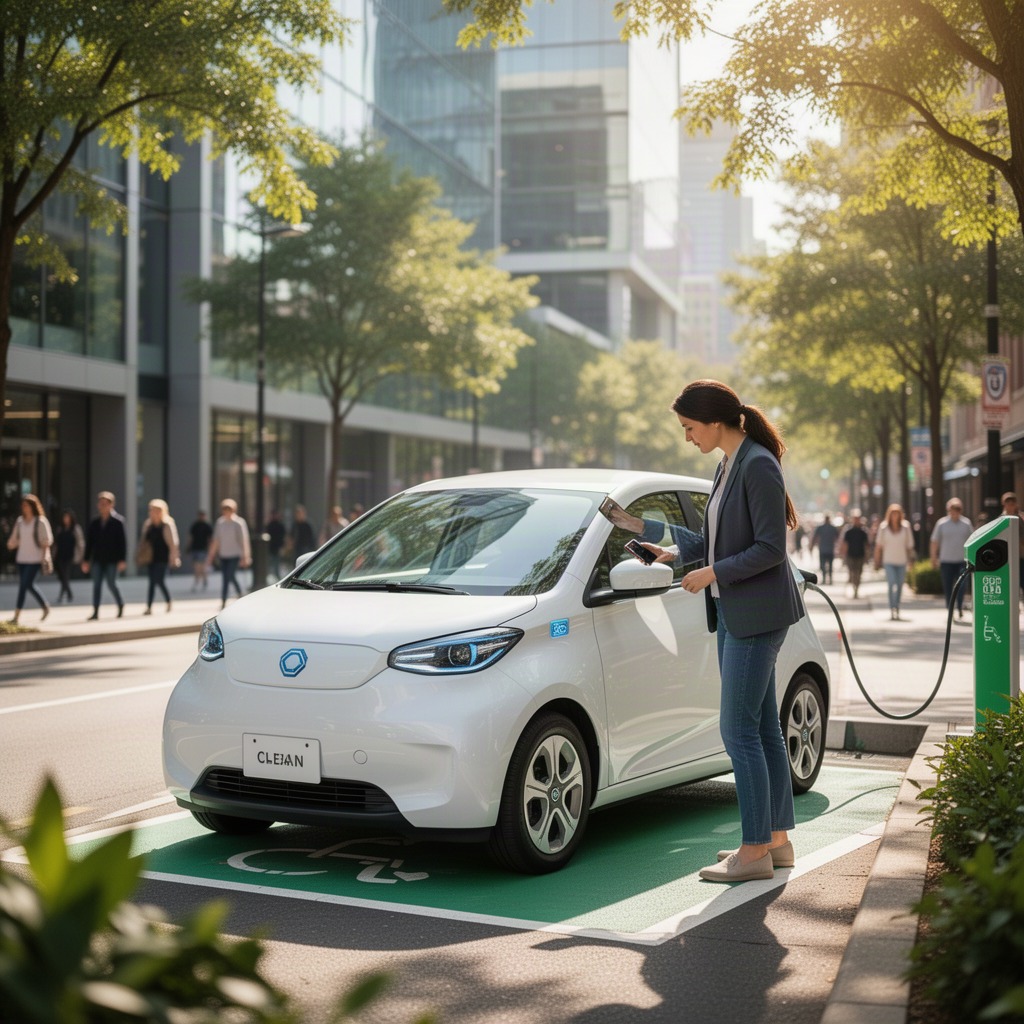
Every Zipcar trip comes with a mileage allowance built into the rate you pay, and understanding how that allowance works is the single easiest way to keep a Zipcar reservation affordable. In most markets a Zipcar reservation includes 180 miles per day of included driving, with any distance beyond that charged at a per-mile overage rate. This page explains exactly how Zipcar counts miles, how daily and hourly allowances are calculated, what happens when you cross the included threshold, and how to plan a trip so the included miles cover where you actually need to go. If you drive mostly short errands and local hops, you may never touch the Zipcar limit; if you plan a longer road trip, a little arithmetic up front keeps the final bill predictable.
How Zipcar Counts Your Miles
A Zipcar reservation is priced as an all-in rate. When you book a car for an hour or a day, that rate already covers gas, insurance coverage, maintenance, roadside support, and a bundle of included miles. The mileage allowance is the one piece of the deal many new Zipcar members overlook, because it only matters once you drive far enough to pass it. Zipcar tracks distance through the vehicle itself, reading the odometer at the start and end of your reservation and comparing the two numbers to work out how far you went.
The included allowance is tied to the length of your booking rather than the specific car. Zipcar grants a set number of included miles per day, and shorter reservations receive a prorated share of that daily figure. Because the Zipcar system measures real odometer movement, there is no estimating or self-reporting involved; the miles you actually drive are the miles Zipcar counts. When your trip ends and you lock the car with the app or your Zipcard, the final odometer reading is recorded and your mileage is reconciled against your included allowance.
This matters because Zipcar is designed around the idea that most members take short, local trips. The included allowance is generous enough that a typical day of errands, a trip to the airport, or a visit across town will sit comfortably inside it. The Zipcar structure only starts to add cost when a member drives well beyond everyday distances, which is exactly the situation where planning pays off.
Daily and Hourly Mileage Allowances
The headline figure for most Zipcar markets is 180 included miles per 24-hour day. That daily number is the anchor for everything else, because shorter and longer Zipcar reservations are measured against it. If you book a full day, you have the full day's worth of included miles. If you book several days, the allowance scales with the number of days you reserve the Zipcar.
For hourly reservations, Zipcar prorates the daily allowance across the hours you book. The common structure is to divide the 180 included daily miles across the day, which works out to roughly a handful of miles for each hour of your reservation. In practice this means a short two or three hour booking carries a smaller slice of included miles than a full day, so an hourly Zipcar trip that covers a long distance can hit its allowance faster than the same mileage spread across a full-day booking. For most hourly uses, grocery runs, appointments, picking someone up, the prorated Zipcar allowance is more than enough.
The important nuance is that allowances are additive across the length of a single reservation. A member who books a Zipcar for two days has about twice the included miles of a one-day booking, and a weekend reservation stacks several days of allowance together. This is why Zipcar road trippers often book the car for the whole duration rather than piecing together separate short reservations, since a continuous multi-day Zipcar booking pools all of its included miles into one bucket you can draw from across the trip.
Included Mileage By Trip Length
| Reservation | Approx. included miles | Typical fit |
|---|---|---|
| 1 hour | ~7-8 miles | Quick errand, pickup |
| 4 hours | ~30 miles | Shopping trip, appointments |
| 1 day | 180 miles | Day out, airport run |
| 2 days | ~360 miles | Weekend trip |
| 3 days | ~540 miles | Longer road trip |
Figures are typical allowances; the exact included mileage appears on your Zipcar booking screen and can vary by city and vehicle.
What Happens When You Go Over
Crossing the included mileage does not stop your trip or trigger a penalty in any dramatic sense. Zipcar simply charges a per-mile rate for every mile you drive beyond the included allowance. The overage fee is applied after the fact, once the final odometer reading reconciles against the miles your Zipcar reservation included. You keep driving exactly as before; the only difference is that the extra distance shows up as a line item on your final Zipcar charge.
The Zipcar overage rate is charged per mile over the limit, and because the rate itself already covers fuel, the per-mile charge is for the car and the distance rather than for gas on top. That bundling is a defining feature of how Zipcar prices overage. A member driving 220 miles on a single-day reservation with 180 included miles would pay the per-mile rate on the 40 extra miles, and that is the entire extra cost; there is no separate fuel surcharge stacked onto it.
The per-mile overage figure is modest for occasional overruns but adds up quickly on a long trip, which is why planning the booking length matters. A member who expects to drive 500 miles over a weekend is almost always better off reserving the Zipcar for enough days to pool the included miles, rather than booking a short Zipcar reservation and paying the per-mile rate for hundreds of miles of overage. The math usually favors buying more included time rather than paying for distance after the fact.
Worked Example
A one-day Zipcar trip that runs long
Included miles
Miles driven
Billable overage miles
Only the 40 miles beyond the included allowance are charged at the per-mile overage rate. Gas is already paid for inside the Zipcar rate, so the overage line covers the extra distance alone.
How the overage charge appears
After you end a Zipcar reservation, the final odometer reading is logged and the trip is settled. If you stayed within the included miles, there is no mileage line at all. If you went over, the overage appears as its own charge on the receipt in your Zipcar account, calculated as the number of excess miles multiplied by the per-mile rate. Because Zipcar reconciles against real odometer data, the figure is exact rather than estimated.
Members who want to track their distance mid-trip can simply note the odometer when they pick the car up and glance at it before deciding on a long detour. There is no live mileage counter in the app for most reservations, so the pickup odometer reading is the most reliable reference point for staying inside your Zipcar allowance.
Planning a Trip Around the Allowance
The practical skill with Zipcar is matching the booking to the distance. Start by estimating your round-trip mileage, then compare it against the included allowance for the length of Zipcar reservation you are considering. For local trips this comparison almost never produces a problem, because 180 included miles covers far more than a day of city driving. The exercise becomes worthwhile for day trips, weekend getaways, and anything that leaves the metro area.
Stay hourly
Short city hops rarely approach the prorated hourly allowance, so book only the Zipcar hours you need and the included miles will cover you.
Book the full day
A full-day Zipcar reservation unlocks the whole 180-mile allowance, giving plenty of headroom for a round trip beyond the city.
Book extra days
For long distances, more reserved Zipcar days pool more included miles, which usually beats paying the per-mile overage rate.
A simple rule of thumb: if your round-trip distance is comfortably under the included miles for your Zipcar booking length, you can ignore mileage entirely. If it is close to or over the allowance, run the two scenarios side by side. Compare the cost of a longer Zipcar reservation that includes more miles against the cost of a shorter reservation plus overage. The cheaper option is often the longer booking, especially once the trip stretches past a couple hundred miles.
It also helps to pad your distance estimate. Detours, wrong turns, and side errands all add miles, and because Zipcar measures the odometer rather than your planned route, those extra miles count toward the allowance just the same. Building in a buffer keeps a borderline Zipcar trip from tipping into overage because of an unexpected detour.
Fuel, Insurance, and What Overage Does Not Cover
One reason the Zipcar mileage model is easy to reason about is that fuel is already inside the rate. Every Zipcar comes with a fuel card in the vehicle, and members are asked to refuel using it when the tank gets low rather than paying out of pocket. Because gas is bundled, the Zipcar overage charge is purely about the car and distance; it never includes a separate fuel cost the way a traditional rental's mileage fee might.
Insurance coverage is likewise built into the Zipcar rate and is not affected by how many miles you drive. Whether you stay well inside the allowance or run into overage, the coverage that comes with your Zipcar reservation applies the same way across the whole trip. Mileage overage is a billing matter, not a coverage matter.
It is worth separating the overage fee from other charges that can appear on a Zipcar account. Late returns, cleaning fees, and other trip-related charges are governed by their own policies and are entirely distinct from mileage. A Zipcar member who returns the car on time, clean, and with fuel in the tank can still incur a mileage overage if they simply drove far; conversely, staying under the allowance does not exempt a late or messy return from its own separate Zipcar fees.
How Zipcar Mileage Compares to a Rental
Members often ask how the Zipcar mileage model stacks up against a conventional car rental. The structures are genuinely different, and the comparison helps show which trips suit Zipcar best. The table below sets the two side by side on the points that affect your total cost.
| Factor | Zipcar | Typical rental |
|---|---|---|
| Included miles | ~180 per day, bundled | Often unlimited, or capped |
| Fuel | Included in the rate | Paid by driver |
| Insurance | Included in the rate | Usually extra |
| Overage charge | Per mile over the allowance | Per mile if capped |
| Best for | Short, local, by-the-hour trips | Long-distance, multi-day driving |
The upshot is that Zipcar shines when you want a car briefly and locally, where the bundled fuel and insurance plus a generous included allowance make the all-in Zipcar rate simple and competitive. For a trip that will cover many hundreds of miles with lots of driving each day, a traditional rental with higher mileage limits can be the better tool. Knowing where the Zipcar allowance fits lets you pick the right option for each trip. For a broader overview of how carsharing fits into urban transport, the carsharing entry on Wikipedia gives useful context.
Checking Your Allowance Before You Drive
Confirming the mileage allowance for a given Zipcar reservation takes only a moment and prevents surprises. Follow these steps whenever a trip looks like it might run long.
-
1
Estimate your round trip
Add up the distance out and back, then pad it for detours and errands so your estimate reflects real driving, not the straight-line route.
-
2
Read the booking screen
When you reserve a Zipcar, the included mileage for that reservation length is shown at checkout. Treat that number as the real Zipcar limit for your trip.
-
3
Compare the two options
If your estimate is close to the limit, price a longer Zipcar reservation against a shorter one plus overage, and pick whichever is cheaper.
-
4
Note the odometer at pickup
Record the reading when you start, so you can check your distance against the allowance at any point during the Zipcar trip.
Frequently Asked Questions
How many miles are included with a Zipcar reservation?
Most Zipcar markets include around 180 miles per 24-hour day, with shorter reservations receiving a prorated share and longer ones pooling more included miles. The exact figure for your Zipcar booking always appears when you reserve the car.
What is the Zipcar overage fee?
Zipcar charges a per-mile overage rate for every mile driven beyond the included allowance. Because fuel is already bundled into the Zipcar rate, that per-mile charge covers the car and distance only, with no separate gas cost added.
Does Zipcar include gas in the mileage charge?
Gas is included in every Zipcar rate, with a fuel card kept in the car for refueling. The Zipcar mileage overage fee is separate from fuel entirely, so you are never paying twice for the gas you use.
How does Zipcar know how far I drove?
Zipcar reads the vehicle odometer at the start and end of your reservation and compares the two readings. That real distance is what Zipcar measures against your included allowance, so the mileage total is exact rather than estimated.
Is it cheaper to book a longer Zipcar reservation to avoid overage?
Often, yes. For long trips, booking more Zipcar days pools more included miles, which can cost less than paying the per-mile overage on a shorter reservation. Compare both totals before you book your Zipcar.
Do all Zipcar vehicles have the same mileage allowance?
The included allowance is tied to the length of your Zipcar reservation rather than the specific car, and the standard figure is consistent across most of the Zipcar network. Local market rules and specific plans can vary it, so confirm the number shown at booking.
Will going over the mileage limit stop my Zipcar trip?
No. Passing the allowance does not interrupt your trip or disable the car. Zipcar simply applies the per-mile overage charge to the extra distance when the Zipcar reservation is reconciled afterward.
Bottom line
Match the booking to the distance
Zipcar mileage is simple once you know the rule: roughly 180 included miles per day, prorated for shorter bookings and pooled across longer ones, with a per-mile Zipcar overage charge beyond that. Fuel and insurance are already in the rate, so the only variable you manage is distance. For local trips you will rarely think about the Zipcar limit at all. For longer drives, estimate your mileage, read the number Zipcar shows at checkout, and choose the reservation length that keeps the whole trip inside the included miles. Do that and your Zipcar bill will match your expectations every time.